
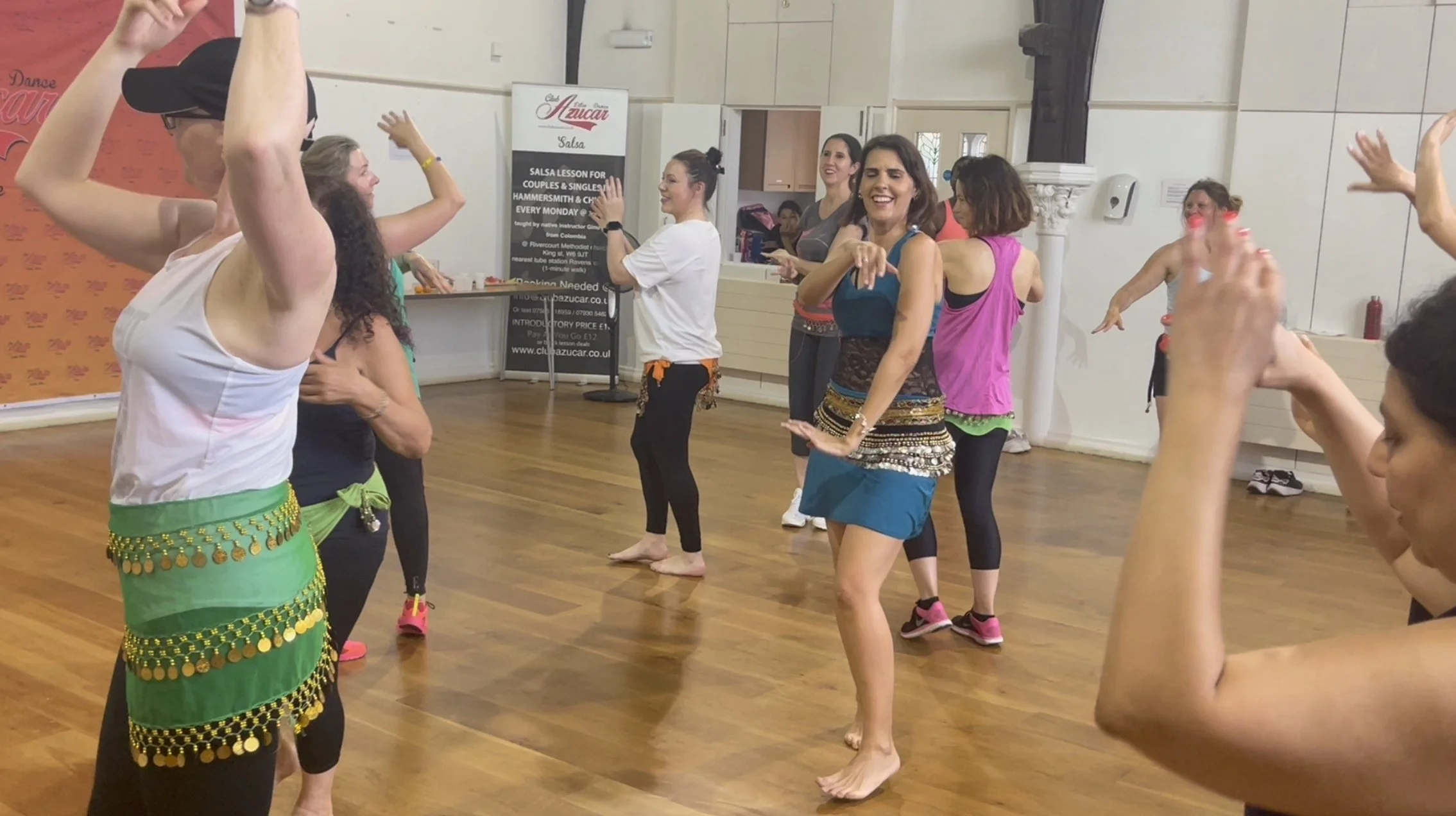
Dance lesson helps mental health by combining physical exercise, which releases mood-boosting endorphins, with rhythmic movement and social connection, both of which have independently been shown to reduce stress, anxiety, and symptoms of depression. Unlike solitary forms of exercise, dance also requires present-moment focus on rhythm and movement, which can interrupt anxious or ruminating thought patterns in a way that's difficult to achieve through willpower alone.
Here's how each of these mechanisms works, and what the research shows.
Dance Combines Exercise With Rhythm, Which Amplifies the Effect
Physical activity alone is well established as a mood booster, through the release of endorphins and reduction of cortisol. Dance adds a rhythmic component on top of this, and research on rhythmic auditory stimulation shows that moving in time with music can further regulate the nervous system, producing a calming effect beyond what exercise alone provides.
It Interrupts Anxious and Ruminating Thoughts
Following choreography or responding to a partner's lead requires sustained attention on the present moment. This kind of focused, embodied attention functions similarly to mindfulness practice, making it harder for the mind to spiral into anxious or repetitive thought patterns during a class.
It Builds Social Connection, Which Protects Against Depression
Isolation is one of the strongest risk factors for depression, and group dance classes provide regular, low-pressure social contact built into the activity itself. Unlike joining a conversation-based support group, the shared focus of learning a dance together often feels less intimidating for people who are anxious about social interaction.
It Builds a Sense of Achievement and Progress
Learning new movement, patterns, or choreography provides a visible sense of progress week to week. This structured feeling of accomplishment can be particularly valuable for people experiencing depression, where a lack of motivation or sense of achievement is often part of the condition.
It Provides an Outlet for Emotional Expression
Dance allows the body to express emotion in a way that's difficult to put into words, which some people find more accessible than talk-based approaches, especially in the early stages of processing stress or difficult emotions.
Is Dance Therapy the Same as a Regular Dance Class?
Not entirely. Dance therapy is typically a clinical practice led by a trained dance movement psychotherapist, often used alongside other mental health treatment. Regular dance classes, such as salsa, Zumba, or bachata, provide many of the same wellbeing benefits, including exercise, rhythm, and social connection, but aren't a replacement for clinical mental health treatment when that's needed.
Frequently Asked Questions
Can dancing help with anxiety? Yes. The combination of physical movement, rhythm, and present-moment focus has been shown to reduce anxiety symptoms, in some cases as effectively as other forms of exercise.
Is dance effective for depression? Dance can help by providing structured physical activity, social connection, and a sense of progress and achievement, all of which are protective factors against depression, though it should complement rather than replace professional treatment where needed.
What type of dance is best for mental health? Any style that you enjoy and will do consistently tends to provide the most benefit. Social styles like salsa and bachata add a connection element, while higher-energy styles like Zumba maximize the exercise benefit.
Do you need to be a good dancer to get the mental health benefits? No. The mental health benefits come from the movement, rhythm, and social interaction itself, not from skill level or performance.
How often should I dance to notice a mental health benefit? Most people notice a mood improvement after a single session, but consistent benefits for anxiety and stress typically build with regular attendance, such as once or twice a week.
Explore Dance for Wellbeing in London
Club Azucar offers classes and sessions in Hammersmith and Chiswick designed around both movement and mental wellbeing, alongside our Dance for Healing programme.
If you're currently experiencing a mental health crisis or ongoing difficulties, please reach out to a healthcare professional or a support service such as the Samaritans (116 123, UK) for further support.