Wellbeing

Dance and Mental Health Wellbeing: How Movement Can Help Reduce Stress and Anxiety

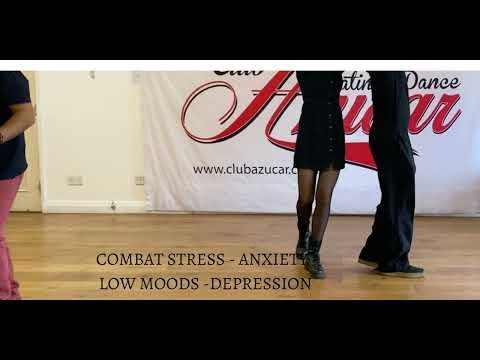
Dance lesson helps mental health by combining physical exercise, which releases mood-boosting endorphins, with rhythmic movement and social connection, both of which have independently been shown to reduce stress, anxiety, and symptoms of depression. Unlike solitary forms of exercise, dance also requires present-moment focus on rhythm and movement, which can interrupt anxious or ruminating thought patterns in a way that's difficult to achieve through willpower alone.

Here's how each of these mechanisms works, and what the research shows.

Dance Combines Exercise With Rhythm, Which Amplifies the Effect

Physical activity alone is well established as a mood booster, through the release of endorphins and reduction of cortisol. Dance adds a rhythmic component on top of this, and research on rhythmic auditory stimulation shows that moving in time with music can further regulate the nervous system, producing a calming effect beyond what exercise alone provides.

It Interrupts Anxious and Ruminating Thoughts

Following choreography or responding to a partner's lead requires sustained attention on the present moment. This kind of focused, embodied attention functions similarly to mindfulness practice, making it harder for the mind to spiral into anxious or repetitive thought patterns during a class.

It Builds Social Connection, Which Protects Against Depression

Isolation is one of the strongest risk factors for depression, and group dance classes provide regular, low-pressure social contact built into the activity itself. Unlike joining a conversation-based support group, the shared focus of learning a dance together often feels less intimidating for people who are anxious about social interaction.

It Builds a Sense of Achievement and Progress

Learning new movement, patterns, or choreography provides a visible sense of progress week to week. This structured feeling of accomplishment can be particularly valuable for people experiencing depression, where a lack of motivation or sense of achievement is often part of the condition.

It Provides an Outlet for Emotional Expression

Dance allows the body to express emotion in a way that's difficult to put into words, which some people find more accessible than talk-based approaches, especially in the early stages of processing stress or difficult emotions.

Is Dance Therapy the Same as a Regular Dance Class?

Not entirely. Dance therapy is typically a clinical practice led by a trained dance movement psychotherapist, often used alongside other mental health treatment. Regular dance classes, such as salsa, Zumba, or bachata, provide many of the same wellbeing benefits, including exercise, rhythm, and social connection, but aren't a replacement for clinical mental health treatment when that's needed.

Frequently Asked Questions

Can dancing help with anxiety? Yes. The combination of physical movement, rhythm, and present-moment focus has been shown to reduce anxiety symptoms, in some cases as effectively as other forms of exercise.

Is dance effective for depression? Dance can help by providing structured physical activity, social connection, and a sense of progress and achievement, all of which are protective factors against depression, though it should complement rather than replace professional treatment where needed.

What type of dance is best for mental health? Any style that you enjoy and will do consistently tends to provide the most benefit. Social styles like salsa and bachata add a connection element, while higher-energy styles like Zumba maximize the exercise benefit.

Do you need to be a good dancer to get the mental health benefits? No. The mental health benefits come from the movement, rhythm, and social interaction itself, not from skill level or performance.

How often should I dance to notice a mental health benefit? Most people notice a mood improvement after a single session, but consistent benefits for anxiety and stress typically build with regular attendance, such as once or twice a week.

Explore Dance for Wellbeing in London

Club Azucar offers classes and sessions in Hammersmith and Chiswick designed around both movement and mental wellbeing, alongside our Dance for Healing programme.

If you're currently experiencing a mental health crisis or ongoing difficulties, please reach out to a healthcare professional or a support service such as the Samaritans (116 123, UK) for further support.

Is Zumba Good for Weight Loss? Let's See What the Science Says?

Yes, Zumba is an effective process for weight loss because it combines sustained cardiovascular activity with high energy expenditure, typically burning 500 to 800 calories per hour depending on intensity. Weight loss ultimately depends on maintaining a calorie deficit, and Zumba's combination of intensity and enjoyability makes it easier for most people to sustain consistently compared to less engaging forms of cardio.

Here's a deeper look at how it works and how to get the most out of it.

How Many Calories Does Zumba Actually Burn?

Studies measuring energy expenditure during Zumba classes have found participants burn an average of 9.5 calories per minute, which works out to roughly 570 calories per hour for a person of average weight. This puts it in a similar range to jogging or a moderate-intensity spin class, though the exact number depends on your weight, effort level, and the specific choreography.

Why Consistency Matters More Than Intensity

Weight loss is driven by a sustained calorie deficit over time, not a single intense workout. The reason Zumba is particularly effective is that its music-driven, dance-based format keeps people engaged and coming back multiple times a week, which matters more for long-term results than a workout that burns slightly more calories but gets abandoned after two weeks.

How Zumba Compares to Other Cardio for Weight Loss

  • Zumba vs running: Running typically burns marginally more calories per hour at high intensity, but Zumba has lower joint impact and higher long-term adherence for most people.

  • Zumba vs cycling: Similar calorie burn, but Zumba adds a coordination and social element that a stationary bike doesn't.

  • Zumba vs HIIT: HIIT can burn calories faster in short bursts, but Zumba sessions are typically longer and more sustainable for people who find HIIT too intense to maintain regularly.

What Determines Results: Frequency and Diet

Zumba alone won't produce weight loss if not paired with attention to overall calorie intake. Most people who see results attend classes 3 to 4 times per week and combine this with a modest calorie deficit through diet, rather than relying on exercise alone.

Who Gets the Best Results From Zumba?

People who are new to structured exercise, or who have struggled to stick with gym-based cardio routines, often see the strongest results from Zumba specifically because the social and musical elements make the habit easier to maintain than a treadmill session.

Frequently Asked Questions

How many calories does a 1-hour Zumba class burn? On average, around 500 to 800 calories per hour, depending on your weight and the intensity of the class.

How often should I do Zumba to lose weight? Most people see meaningful results attending 3 to 4 classes per week, combined with mindful eating habits.

Is Zumba better than running for weight loss? Running may burn slightly more calories per hour, but Zumba's lower joint impact and higher enjoyment factor often make it more sustainable long-term, which matters more for overall results.

Can beginners do Zumba for weight loss? Yes. Zumba classes are designed to be accessible for all fitness levels, with modifications available for lower-impact movement.

Do I need to change my diet alongside Zumba to lose weight? Yes. Exercise alone rarely produces significant weight loss without also managing calorie intake through diet.

Start Zumba Classes in London

Club Azucar runs energetic, beginner-friendly Zumba classes in Hammersmith and Chiswick designed to help you build a consistent, enjoyable fitness habit. Book your first class today.

10 Proven Benefits of Salsa Dancing for Body and Mind

Salsa dancing offers a combination of cardiovascular exercise, improved coordination, stress relief, and social connection that few other activities provide in a single session. Because it blends rhythm, movement, and partner interaction, salsa works both the body and the mind at once, making it one of the most effective and enjoyable forms of exercise for people who find traditional workouts repetitive or isolating.

Here's a closer look at the specific benefits, and why they matter.

1. It's a Genuine Cardiovascular Workout

A single hour of salsa dancing can burn between 400 and 600 calories, depending on intensity, comparable to a moderate run. The constant movement raises your heart rate steadily throughout a class, giving you a cardio benefit that doesn't feel like traditional "exercise."

2. It Improves Coordination and Balance

Salsa requires precise footwork, timing, and body control, all of which train your brain and muscles to work together more efficiently. Over time, this improves balance and coordination that carries over into everyday movement, which is particularly valuable as people age.

3. It Reduces Stress and Anxiety

Rhythmic movement paired with music has a measurable calming effect on the nervous system. Combined with the social interaction of a class, salsa dancing has been shown to lower cortisol levels and reduce feelings of anxiety more effectively than solitary exercise.

4. It Builds Confidence

Learning a new physical skill, especially one that involves performing in front of others, builds self-assurance quickly. Many beginners report feeling noticeably more confident in social settings after just a few weeks of regular classes.

5. It Strengthens Memory and Cognitive Function

Following choreography and adapting to a partner's lead requires active memory recall and quick decision-making. Some research links regular dancing to a reduced risk of cognitive decline, since it combines physical activity with mental engagement in a way few other exercises do.

6. It's a Full-Body Workout

Salsa engages your legs, core, arms, and back simultaneously through spins, turns, and footwork patterns. Unlike isolated gym exercises, the movement is functional and works multiple muscle groups at once.

7. It Improves Posture

Salsa technique emphasizes an upright frame and controlled core engagement, which naturally improves posture over time, both on and off the dance floor.

8. It Builds Social Connection

Salsa is inherently social, whether you're taking a class with friends or dancing with new partners at a social night. This makes it one of the few workouts that directly combats loneliness and builds community as a side effect of exercise.

9. It's Low-Impact and Joint-Friendly

Compared to running or high-impact cardio, salsa places less strain on the knees and joints, making it accessible to a wider age range and fitness level.

10. It's Genuinely Fun, Which Means You'll Stick With It

The biggest barrier to any fitness routine is consistency. Because salsa is social, musical, and enjoyable, people are far more likely to keep showing up week after week compared to a gym routine that feels like a chore.

Frequently Asked Questions

Is salsa dancing good exercise? Yes. An hour of salsa dancing can burn 400 to 600 calories while also improving coordination, balance, and cardiovascular fitness, making it comparable to moderate-intensity cardio.

Can salsa dancing help with anxiety? Yes. The combination of rhythmic movement and social interaction has been shown to lower cortisol levels and reduce anxiety more effectively than exercising alone.

Do you need a partner to learn salsa? No. Most beginner classes rotate partners throughout the session, so you can learn and improve without bringing anyone with you.

How many calories does an hour of salsa dancing burn? Roughly 400 to 600 calories per hour, depending on the intensity and style of the class.

Is salsa dancing suitable for beginners with no rhythm? Yes. Rhythm and timing are skills that develop with practice, and beginner classes are structured specifically to build this from the ground up.

Try Salsa Dancing in London

Club Azucar runs beginner-friendly salsa classes in Hammersmith and Chiswick, with no experience or partner required. Book your first class today.

Dance Fitness Classes in Chiswick and Hammersmith: How Dance Supports Mental Health

In today’s world, finding activities that support both physical wellbeing and emotional balance is more important than ever. Many people are now turning to dance fitness classes in Chiswick and Hammersmith not only to stay active but also to improve overall wellbeing. Beyond the physical benefits, dance for mental health has become widely recognised as a powerful way to reduce stress, boost mood, and reconnect with the body.

Whether you’re looking for a new fitness routine or a positive way to manage daily stress, dance offers a unique combination of movement, music, and community.

Why Dance Fitness Is Different from Traditional Workouts

Unlike repetitive gym routines, dance fitness combines exercise with rhythm, creativity, and enjoyment. Participants move to music while following simple routines that elevate the heart rate and engage the whole body.

Key advantages of dance fitness:

  • Full-body cardiovascular workout

  • Improved coordination and balance

  • Increased energy and stamina

  • A fun and motivating environment

Because the focus is on enjoyment and movement rather than strict performance, dance fitness often feels more natural and sustainable than traditional workouts.

Dance Fitness Classes in Chiswick and Hammersmith

For residents in West London, accessible classes make it easier to stay consistent with healthy habits. Dance fitness classes in Chiswick & Hammersmith offer welcoming spaces where participants of all levels can enjoy movement in a supportive group setting.

Classes typically include:

  • Warm-up and mobility exercises

  • Rhythm-based dance routines

  • Cardio-focused sequences

  • Cool-down and stretching

These sessions are designed to be beginner-friendly, allowing participants to progress comfortably while building strength and endurance.

The Growing Importance of Dance for Mental Health

Movement and music have a powerful impact on emotional wellbeing. Increasingly, research and personal experiences highlight the benefits of dance for mental health.

How dance supports mental wellbeing:

  • Reduces stress through physical movement

  • Encourages the release of mood-boosting endorphins

  • Helps participants disconnect from daily pressures

  • Creates opportunities for social connection

Dancing in a group environment can also help individuals feel more supported and connected, which is important for maintaining emotional balance.

Building Confidence Through Dance

Many people discover that dance not only improves physical fitness but also builds confidence. Learning new movements, developing rhythm, and expressing creativity can positively influence self-esteem.

Over time, participants often experience:

  • Greater body awareness

  • Increased comfort in social environments

  • Improved posture and movement control

  • A stronger sense of personal expression

These benefits extend beyond the class environment and into everyday life.

Who Can Join Dance Fitness Classes?

Dance fitness is accessible to a wide range of participants. You do not need previous dance experience or a high level of fitness to begin.

These classes are suitable for:

  • Beginners looking for a fun fitness routine

  • Individuals seeking stress relief through movement

  • People interested in improving coordination and stamina

  • Anyone wanting a positive social activity in West London

The focus remains on participation, enjoyment, and gradual progress.

A Healthy Balance of Body and Mind

Choosing dance fitness classes in Chiswick and Hammersmith offers more than just exercise. Through rhythm, music, and movement, dance creates a space where physical activity and emotional wellbeing come together. The benefits of dance for mental health remind us that staying active can also support a calmer mind and a more positive outlook.

With consistent practice, dance becomes not only a form of fitness but also a meaningful part of maintaining overall wellbeing.

How Club Azucar's Latin Dance Lessons Can Help Reduce Stress and Promote Productivity in Coprporate Work Culture?

1. Offer Regular Dance Workshops

Salsa, Bachata, Zumba, and More: Schedule regular dance workshops that cater to different preferences. Dancing is a fantastic way to reduce stress, improve mood, and boost energy levels.

Lunch Break Sessions: Host short, invigorating dance sessions during lunch breaks. This provides a fun, healthy way for employees to recharge and return to work with renewed focus.

Virtual Dance Classes: For remote teams, offer virtual dance classes. This ensures that all employees can participate, regardless of location.

2. Organize Team-Building Dance Events

Dance Parties: Host Latin dance parties where employees can socialize, have fun, and build stronger relationships outside of the typical work environment.

Dance Competitions: Organize friendly dance competitions to foster team spirit and encourage collaboration.

Themed Events: Plan themed dance events to celebrate cultural diversity and bring a festive atmosphere to the workplace.

3. Provide Customized Dance Programs

Stress Management Workshops: Develop specialized dance programs focused on stress relief, incorporating elements of mindfulness and relaxation techniques.

Corporate Wellness Programs: Create comprehensive wellness programs that include regular dance sessions, educational talks on the benefits of physical activity, and personalized fitness plans.

Goal-Oriented Sessions: Tailor dance sessions to align with specific corporate goals, such as improving team communication, enhancing creativity, or boosting overall morale.

4. Promote Physical and Mental Wellbeing

Fitness Challenges: Launch dance-based fitness challenges to motivate employees to stay active and healthy.

Mindfulness and Movement: Combine dance with mindfulness practices to create a holistic approach to stress management and mental wellbeing.

Regular Check-Ins: Offer periodic check-ins and feedback sessions to monitor progress and adjust programs to better suit the needs of the employees.

5. Foster a Positive Company Culture

Inclusivity and Diversity: Use dance to celebrate cultural diversity and inclusivity within the workplace, creating a more cohesive and understanding team.

Recognition and Rewards: Implement a system to recognize and reward participation in dance programs, further encouraging engagement and commitment.

Leadership Involvement: Encourage company leaders to participate in dance activities, setting a positive example and showing commitment to employee wellbeing.

Unveiling the Mental Marvels of Dance: A Journey to Well-being with Club Azucar - Latin Dance Studio

Unveiling the Mental Marvels of Dance: A Journey to Well-being with Club Azucar - Latin Dance Studio

In a world buzzing with the stresses of modern life, finding solace in activities that not only engage the body but also nourish the mind has become paramount. One such activity that transcends the boundaries of mere physical exercise is dancing. Beyond the rhythmic movements and pulsating beats lies a treasure trove of mental benefits and well-being enhancements waiting to be discovered.

How Bachata, Reggaeton, Salsa & Zumba Lessons from Club Azucar Can Help Your Mental Health and Bring You Peace of Mind

How Bachata, Reggaeton, Salsa & Zumba Lessons from Club Azucar Can Help Your Mental Health and Bring You Peace of Mind

In the fast-paced and stressful world we live in, finding ways to improve our mental health and achieve inner peace has become more important than ever. One surprisingly effective method is to dance your way to mental well-being. Salsa and Zumba, two energetic and captivating dance forms, have proven to be exceptional in promoting mental health and offering a much-needed escape from the pressures of daily life. Let’s explore how joining Club Azucar for Salsa and Zumba lessons can be an enjoyable and transformative experience that not only boosts physical fitness but also nurtures mental well-being.